Pollution Reporting System
Project Information
- Category: Web Development
- Client: South Africa DWS
- Project date: October, 2022
- Project URL: www.prs.com
Project Overview
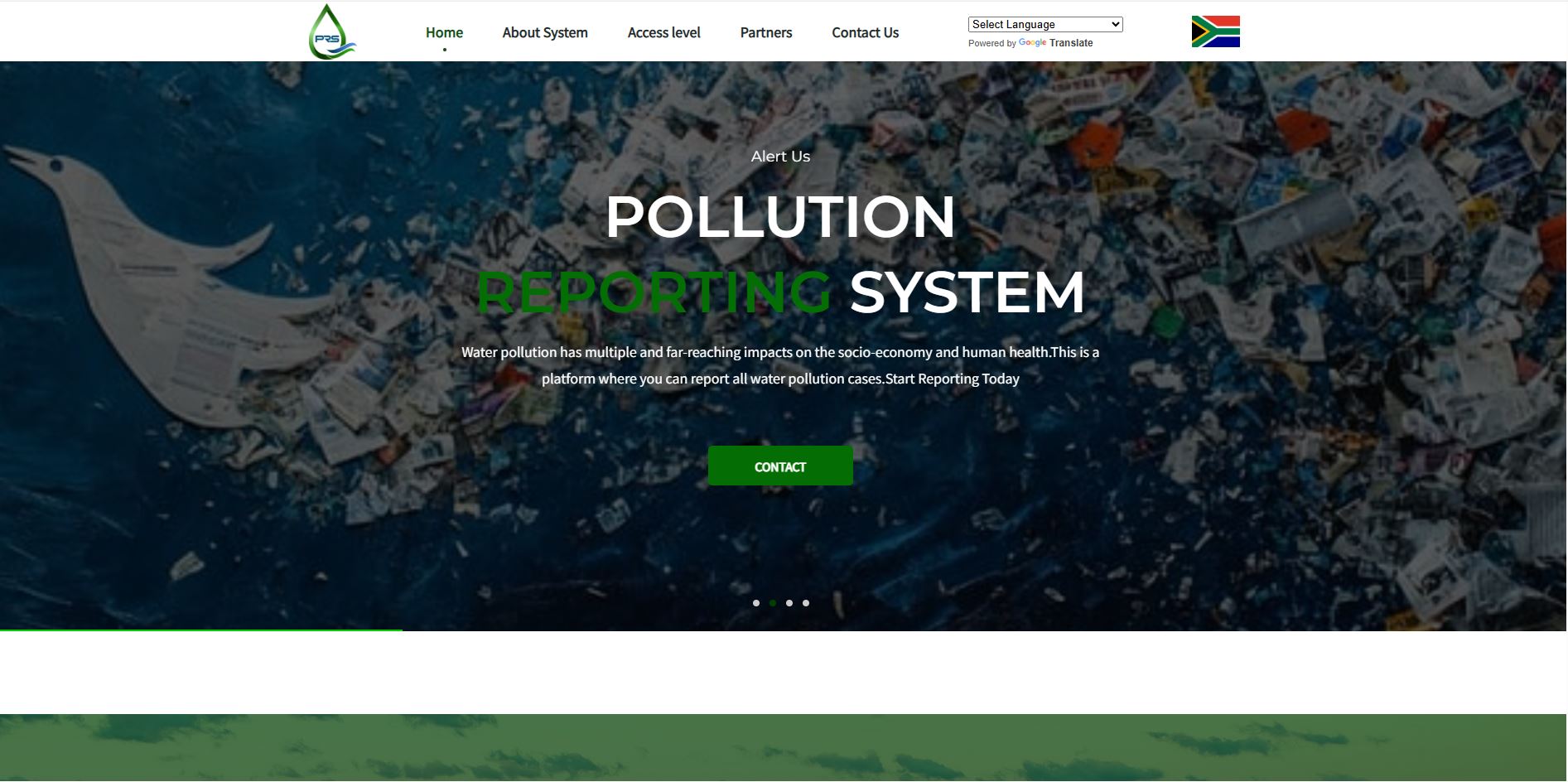
The Pollution Reporting System is a web-based civic technology platform developed in 2022 to enable communities to report environmental pollution quickly and transparently while ensuring authorities receive actionable, real-time information. The system was designed to bridge the gap between citizens and environmental authorities by improving response time, accountability, and feedback.
Many communities lacked an efficient and user-friendly way to report pollution incidents. Existing reporting methods were often slow, fragmented, and provided little to no feedback to the reporting citizen, leading to frustration and reduced public participation.
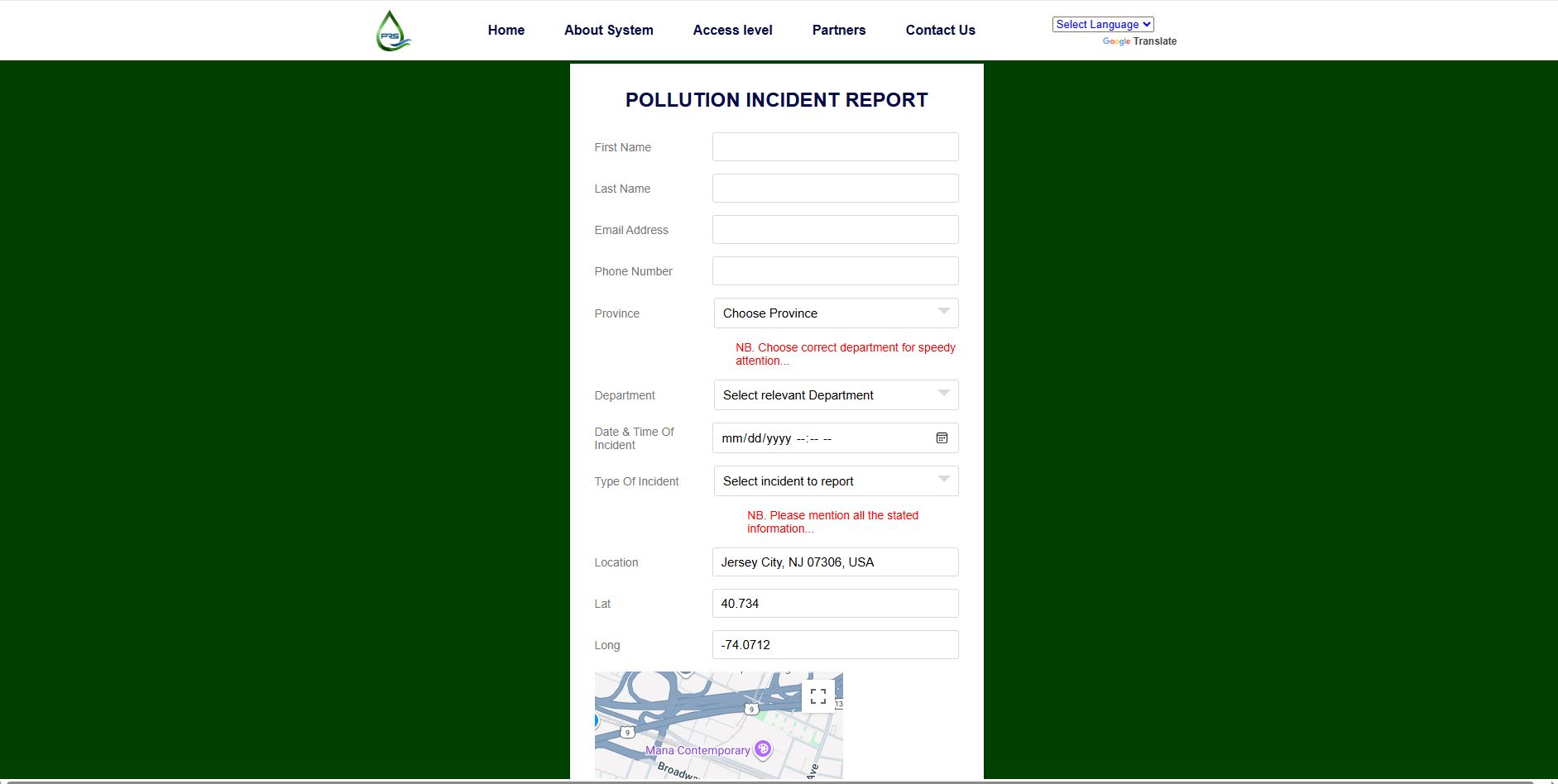
The system provides a centralized digital platform where users can submit pollution reports with accurate location data, images, and clear categorization. Authorities receive instant notifications, manage reports through an administrative dashboard, and update case statuses, which are automatically communicated back to users.
Key Features
Responsive & Accessible Design
Designed with a mobile-first approach to ensure community members could report pollution incidents easily from any device. The interface was kept simple and intuitive to encourage participation from users with varying levels of technical experience.
Role-Based Security & Access Control
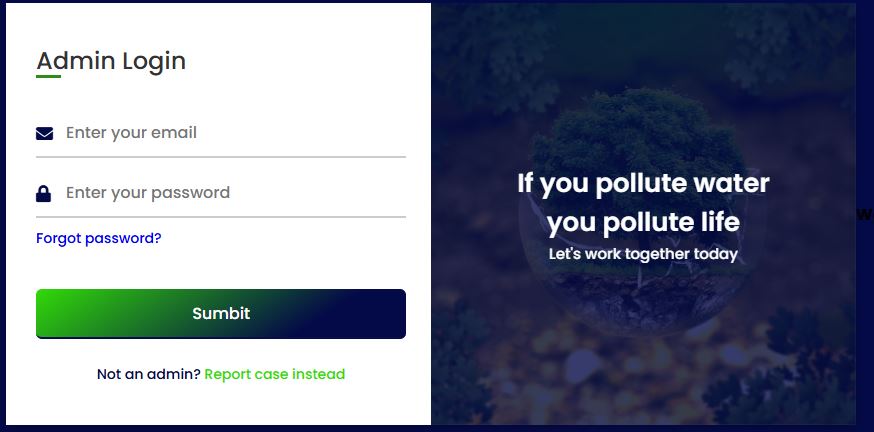
MImplemented layered access permissions for authorities, separating full administrative control from report-only access. This ensured sensitive data integrity while allowing operational teams to focus on case handling without risking unauthorized changes.
Efficient Case Management & Performance
Optimized report handling workflows to support real-time notifications and status updates (New, In Progress, Closed). The system was structured to handle multiple reports efficiently while maintaining fast response times.
Seamless Third-Party Integrations
Integrated Google Maps API for precise geolocation and address auto-fill, alongside email and WhatsApp services for automated notifications and user feedback. These integrations enabled faster reporting, quicker authority response, and transparent communication.